

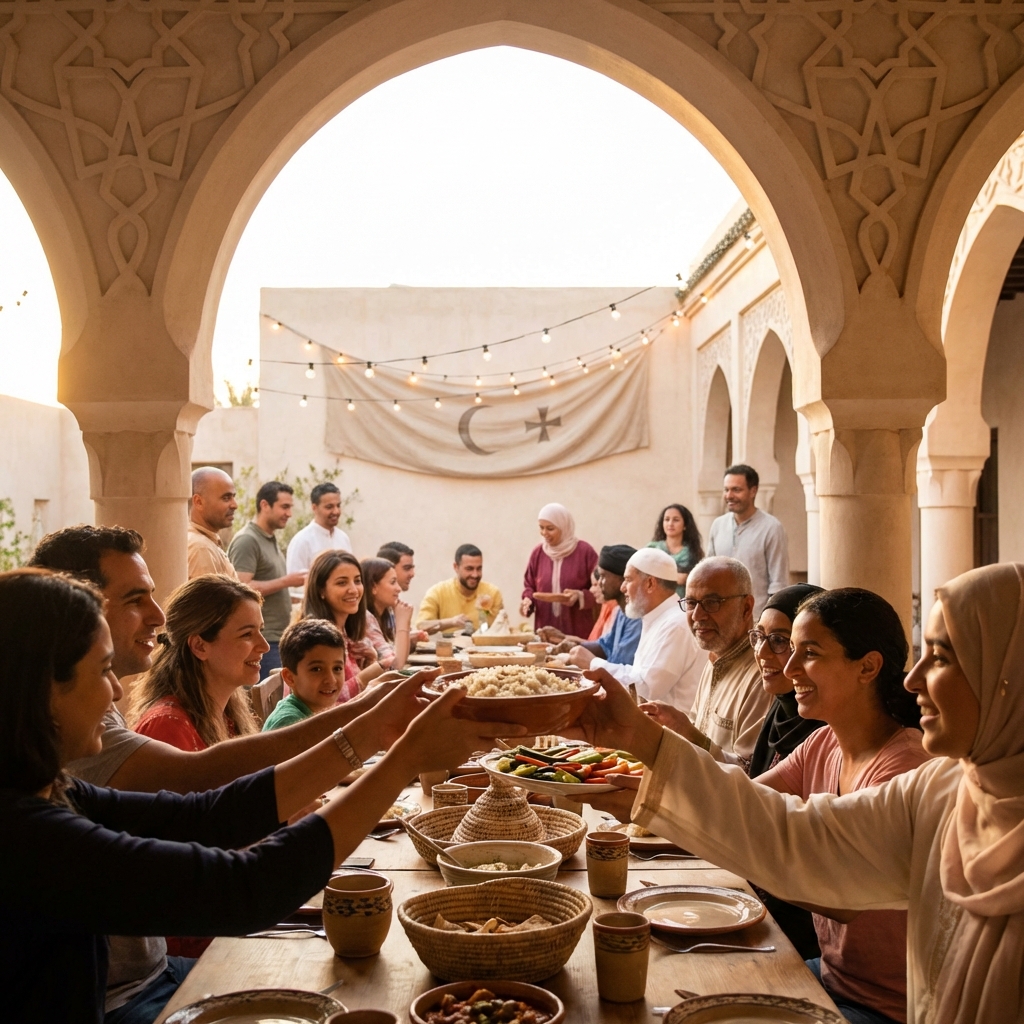
Islamic giving principles aren’t just fulfilling religious obligations—they’re quietly revolutionizing how America addresses hunger and food insecurity.
When most Americans think about hunger relief, they envision food banks, government programs, and seasonal charity drives. But there’s a powerful force working behind the scenes that operates on entirely different principles: Islamic giving. With its emphasis on systematic charity, community responsibility, and dignified assistance, Islamic giving is transforming how we approach food insecurity in America.
Understanding how zakat, fidya, sadaqah, and other Islamic charitable principles work reveals a sophisticated system that could offer valuable insights for addressing America’s persistent hunger crisis.
The Scale of Islamic Giving in America
American Muslims contribute billions annually through various forms of Islamic giving. While exact figures are difficult to track—Islamic giving often happens quietly, without fanfare—conservative estimates suggest American Muslims contribute over $4.3 billion annually in zakat alone, with additional billions in sadaqah and other charitable giving.
A significant portion of this giving addresses food insecurity, either directly through food distribution or indirectly through poverty alleviation programs. When you add fidya payments from Muslims who cannot fast, kaffarah contributions, and seasonal giving during Ramadan, the impact on hunger relief becomes substantial.
This giving operates on principles that differ markedly from conventional American charity, creating unique approaches to addressing food insecurity that often prove more effective and sustainable than traditional models.
Zakat: Systematic Wealth Redistribution
Zakat represents one of Islam’s most powerful tools for addressing systemic poverty and hunger. Unlike voluntary charity, zakat is obligatory—a 2.5% wealth tax that every financially capable Muslim must pay annually.
This systematic approach creates predictable funding streams for hunger relief that don’t depend on economic cycles or donor fatigue. When stock markets crash or recessions hit, zakat obligations continue, providing stable support for food security programs when other funding sources dry up.
American Muslim organizations have developed sophisticated zakat distribution networks that prioritize food security. The Islamic Society of North America (ISNA), Islamic Relief USA, and hundreds of local organizations use zakat funds to operate food pantries, meal programs, and emergency food assistance that serves both Muslim and non-Muslim communities.
The zakat system’s emphasis on local distribution means these funds often support food security efforts in the same communities where they’re collected, creating strong local support networks that understand specific community needs.
Fidya and Kaffarah: Turning Personal Circumstances into Community Support
Fidya and kaffarah payments represent unique Islamic mechanisms that transform individual religious accommodations into community hunger relief. When Muslims cannot fast due to illness, pregnancy, or other circumstances, their fidya payments directly fund meals for those experiencing food insecurity.
At current rates, a single Muslim who cannot fast for an entire Ramadan month contributes $450 in fidya—enough to provide substantial food support for families in need. Multiply this by the thousands of American Muslims who pay fidya annually, and the impact becomes significant.
This system demonstrates Islamic giving’s ability to find opportunity in challenge. Personal limitations become community benefits, ensuring that everyone participates in addressing hunger regardless of their individual circumstances.
Ramadan: Concentrated Impact on Food Security
Ramadan transforms Islamic giving into a concentrated force for hunger relief. During this sacred month, charitable giving increases exponentially as Muslims fulfill zakat obligations, pay fidya, and increase voluntary sadaqah.
Many American mosques and Islamic organizations coordinate massive food distribution efforts during Ramadan. These programs often serve hundreds of families daily, providing both immediate hunger relief and longer-term food security support.
The timing creates additional impact. Ramadan’s emphasis on experiencing hunger personally motivates increased charitable giving precisely when many families face their greatest food security challenges. School meal programs end for summer, seasonal work becomes scarce, and food assistance programs often face increased demand.
Community-Centered Distribution Models
Islamic giving principles emphasize community-based distribution that preserves dignity while meeting needs. Rather than centralized charity models, Islamic organizations often embed food assistance within broader community support systems.
Mosque-based food pantries, for example, operate within existing community networks where recipients are known members rather than anonymous beneficiaries. This approach reduces stigma while ensuring assistance reaches those who need it most.
The principle of giving “in secret” also influences distribution methods. Many Islamic organizations provide food assistance through discrete programs that protect recipients’ privacy while meeting their needs effectively.
Cultural Competency in Food Assistance
Islamic giving organizations bring cultural competency to hunger relief that mainstream programs often lack. Understanding dietary restrictions, cultural food preferences, and community dynamics allows these programs to serve diverse populations more effectively.
Halal food options, culturally familiar cuisines, and multilingual staff make food assistance more accessible to immigrant and refugee communities who might struggle with conventional food pantries. This cultural competency extends beyond Muslim communities—many Islamic food programs serve diverse populations while maintaining sensitivity to various cultural needs.
Innovative Funding Mechanisms
Islamic giving principles have inspired innovative approaches to hunger relief funding that mainstream organizations are beginning to adopt. The concept of waqf (religious endowments) has created sustainable funding models for food security programs.
Modern waqf structures use investment returns to fund ongoing hunger relief efforts, creating perpetual funding sources that don’t depend on annual fundraising. Some organizations have established food security waqfs that generate consistent funding for meal programs, food pantries, and emergency food assistance.
The Islamic principle of qard hassan (interest-free loans) has also created alternative approaches to addressing food insecurity. Rather than traditional charity, some programs provide interest-free microloans that help families start small food businesses or purchase equipment for food production, addressing hunger through economic empowerment.
Interfaith Collaboration and Broader Impact
Islamic giving organizations increasingly collaborate with interfaith partners, bringing Islamic principles to broader hunger relief efforts. These partnerships demonstrate how Islamic approaches to charitable giving can enhance conventional food assistance programs.
Joint food distribution events, shared resources, and collaborative funding models allow Islamic giving to amplify its impact while introducing other faith communities to effective Islamic charitable practices. These collaborations often result in more efficient, culturally sensitive, and community-responsive hunger relief efforts.
Technology and Modern Islamic Giving
Digital platforms have revolutionized how Islamic giving addresses hunger relief. Online zakat calculators, automated fidya payment systems, and digital sadaqah platforms make charitable giving more accessible while improving transparency and efficiency.
Blockchain technology is beginning to transform Islamic giving by providing transparent tracking of charitable funds from donors to recipients. This technology addresses traditional concerns about charity accountability while maintaining the privacy principles important to Islamic giving.
Mobile apps allow Muslims to calculate and distribute zakat more effectively, often directing funds toward local hunger relief efforts. These technological advances make Islamic giving more responsive to immediate food security needs while maintaining traditional charitable principles.
Lessons for Mainstream Hunger Relief
Islamic giving principles offer valuable insights for improving mainstream hunger relief efforts:
Systematic Giving: The zakat model demonstrates how obligatory charitable contributions create more stable funding than voluntary donations alone.
Community Integration: Embedding food assistance within existing community networks reduces stigma and improves effectiveness.
Dignity Preservation: Islamic emphasis on discrete giving offers models for maintaining recipient dignity while providing necessary assistance.
Cultural Competency: Understanding community needs and preferences improves food assistance accessibility and effectiveness.
Sustainable Funding: Endowment models create long-term funding sources that don’t depend on annual fundraising cycles.
Addressing Root Causes and Immediate Needs
Islamic giving addresses both immediate hunger and underlying poverty through integrated approaches. While providing emergency food assistance, Islamic organizations often simultaneously offer job training, microfinance, and educational support that address hunger’s root causes.
This holistic approach reflects Islamic principles that emphasize comprehensive community support rather than isolated charitable interventions. The result is hunger relief that builds long-term food security rather than just addressing immediate needs.
The Multiplier Effect
Islamic giving’s impact on hunger relief extends beyond direct food provision. When Islamic organizations address food insecurity effectively, they free up resources from other programs to address additional community needs. This multiplier effect amplifies the impact of Islamic charitable giving throughout American communities.
Recipients of Islamic food assistance often become donors themselves as their circumstances improve, creating sustainable cycles of giving that continue addressing hunger long after initial interventions.
Future Directions and Potential
As American Muslim communities grow and mature, Islamic giving’s impact on hunger relief will likely expand. Second and third-generation Muslim Americans are developing innovative approaches that combine traditional Islamic charitable principles with contemporary social entrepreneurship.
Young Muslim professionals are creating social enterprises that address food insecurity while generating sustainable funding for ongoing hunger relief efforts. These ventures demonstrate how Islamic giving principles can evolve to meet contemporary challenges while maintaining core values.
The Broader Vision
Islamic giving transforms hunger relief by viewing food security as a community responsibility rather than individual charity. This perspective shift—from helping the unfortunate to ensuring community welfare—creates more comprehensive and sustainable approaches to addressing hunger.
When Islamic giving principles influence mainstream hunger relief efforts, the result is often more effective, dignified, and sustainable food assistance that serves entire communities better.
Understanding how Islamic giving transforms hunger relief reveals both the immediate impact of Muslim charitable contributions and the broader potential for Islamic principles to improve how America addresses food insecurity. As these approaches continue to evolve and influence mainstream efforts, they offer hope for more effective, sustainable solutions to one of our most persistent social challenges.
Ready to see how your Islamic giving can create maximum impact on hunger relief in your community?