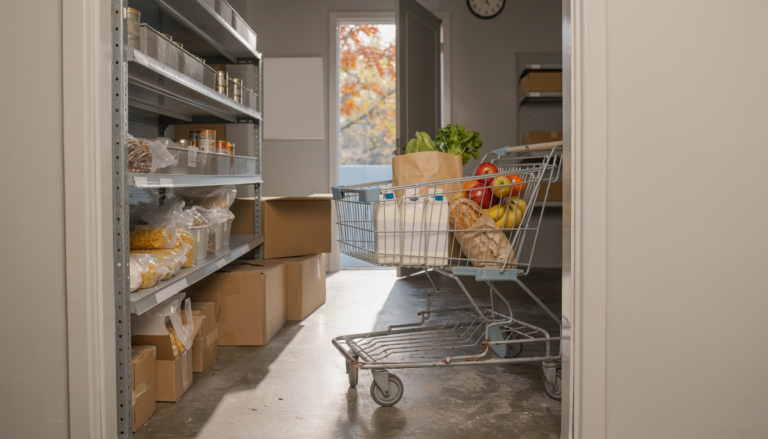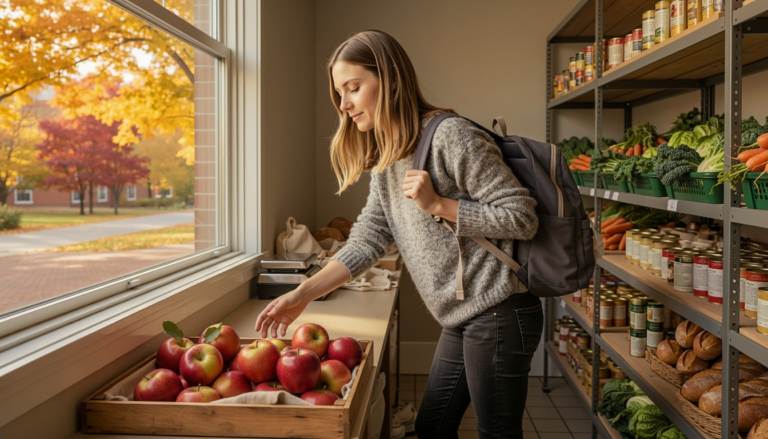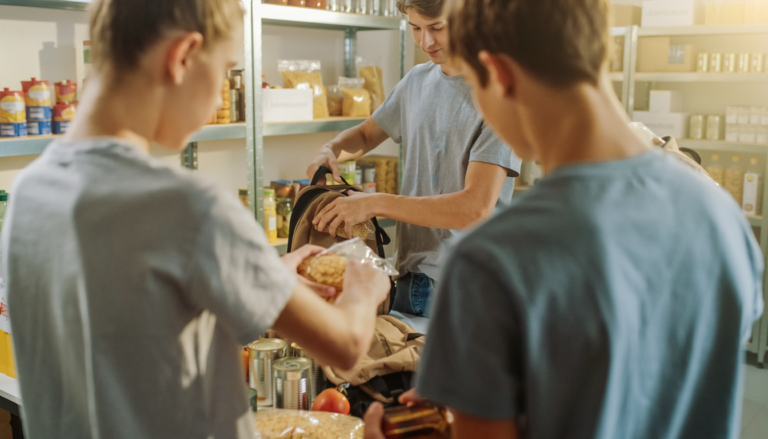
Most stories about hunger focus on scarcity. This one is about a soup kitchen funded by abundance, with a purpose.
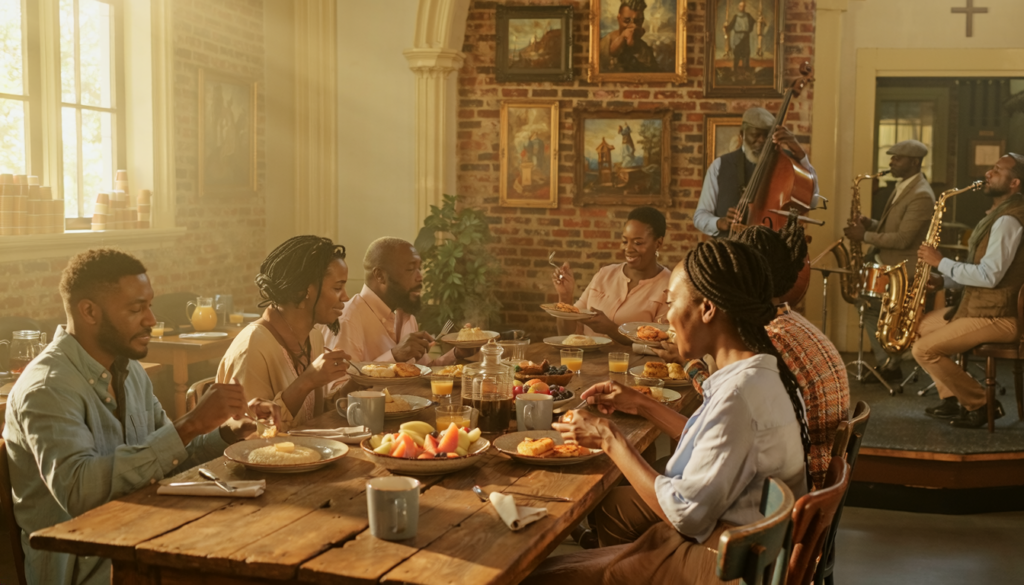
Word In Black (republished by Voice & Viewpoint) profiled Tindley Tea Cafe, a brunch spot inside the educational building of historic Tindley Temple United Methodist Church in South Philadelphia. The food is made to order, there’s live jazz and local art on the walls, and the profits help fund the church’s soup kitchen.
A soup kitchen with a century of history
Tindley Temple’s soup kitchen started in the 1920s under Charles Albert Tindley, the church’s namesake, and ran until the pandemic. When SNAP benefits were changing and a transit strike was threatened, church leaders moved up their plans to reopen it because they knew the need was coming. Today it serves dozens of people every Tuesday and Thursday evening.
A soup kitchen does something a pantry can’t: it serves a hot meal, at a table, with other people. For someone living alone, without stable housing, or without a working kitchen, that matters as much as the food. It’s also where volunteers and neighbors actually meet, which is how a soup kitchen becomes part of a community instead of a service on the side.
Church leaders also noticed something else: the majority-Black neighborhood south of South Street had been overlooked for decades and had few sit-down restaurants. So they built a cafe good enough to bring in diners from across the city, and pointed its profits at hunger. The space also hosts poetry nights, community meetings and worship. Many visitors come for the food and leave knowing the story of one of America’s most remarkable pastors.
Why local partnerships make it work
The church didn’t rebuild its soup kitchen alone. It learned best practices from Broad Street Love, a longtime Philadelphia meal program. Through them it connected with Carversville Farm Foundation, a nonprofit farm that delivers meat and vegetables every week, and the chef builds the menu around what arrives. A grant from the District Attorney’s Office helps fill the gaps, and volunteers sign up online to cook and serve.
That’s how local feeding programs work at their best: a web of neighbors, farms, kitchens and volunteers who trust each other. It’s also why supporting them goes further than any single donation.
Feeding people isn’t a religious thing
Meals N Feelz started with fidya, the Islamic practice of feeding someone in need when you can’t fast. That’s our root, and we’re proud of it. Tindley Temple’s motivation is rooted in faith, as ours is. But the soup kitchen feeds anyone who walks in, and its partners include a farm, a meal program and a city office. Hunger doesn’t check anyone’s faith, and neither should the help. A hungry neighbor is a hungry neighbor.
And for the record: a neighborhood shouldn’t need a century-old soup kitchen to keep people fed. Until it doesn’t, we’re grateful places like this exist.
How you can help
- In Philadelphia? Have brunch at Tindley Tea Cafe, where every meal helps support the soup kitchen, or volunteer with Broad Street Love.
- Anywhere? Carversville Farm Foundation grows food just to give away. And Feeding America’s food bank locator can point you to the meal programs near you.
- Join the movement. Add your name to Fuel the Launch.
Meals N Feelz is building a community of people who want to fund local kitchens and pantries like this one.
We’re not asking for money. When it’s time to launch, we’ll only ask for $3. Every name tells a local pantry it isn’t alone.